Pompa
Typeface Design
How can we translate the physical property into a functional typeface without compromising its legibility?
Pompa is a display typeface inspired by the organic, voluminous forms of balloons and bubbles. The name, derived from the Spanish word for bubble, reflects its bold and lively personality.
The project explores how to balance the softness of puffy shapes with the structural integrity required for a functional display font.
Tools: Illustrator, Photoshop, InDesign, Firefly
Problem
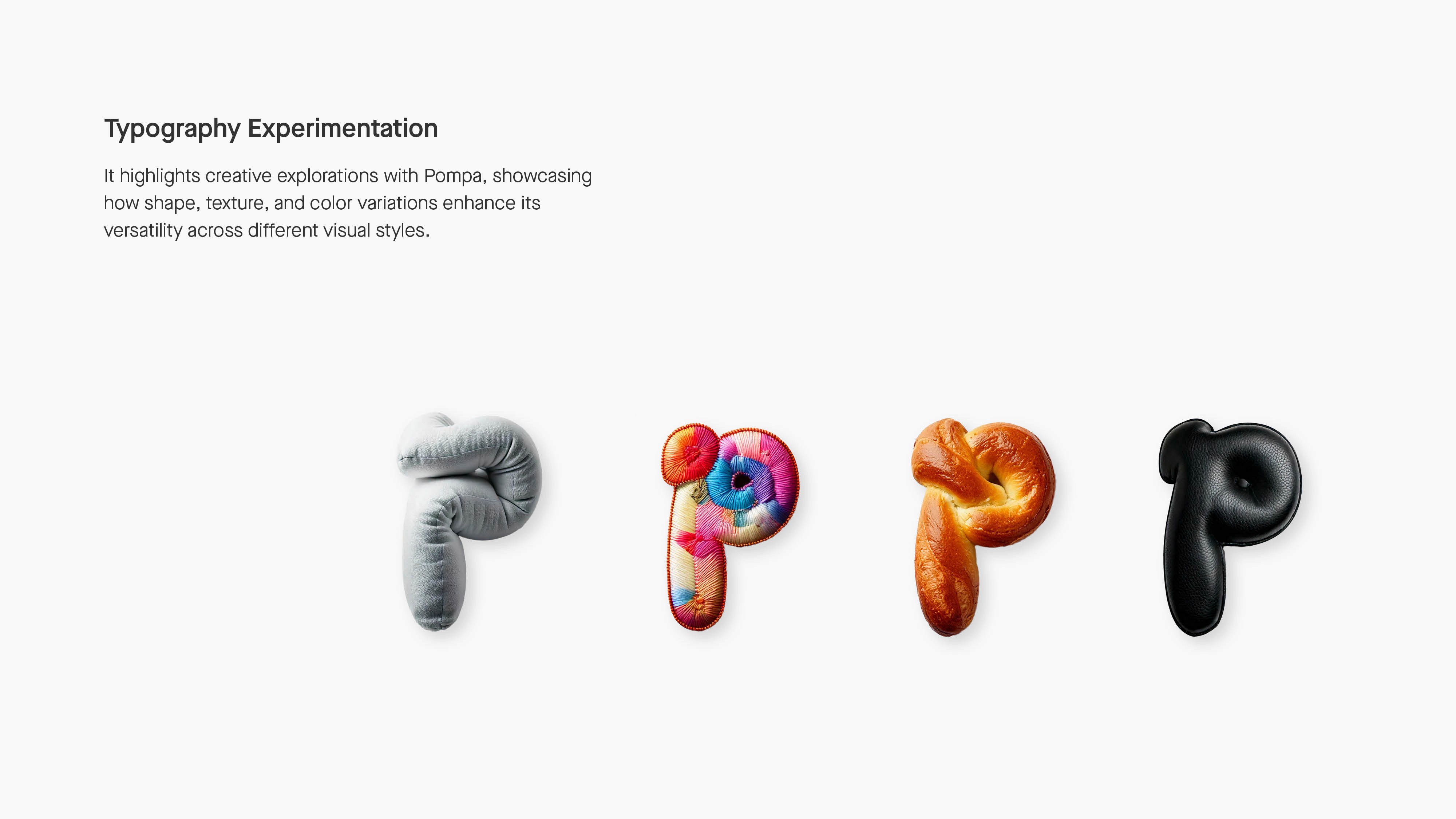
Translating Materiality: The challenge was to capture the tactile essence of inflated objects, specifically the tension and volume of balloons, while maintaining the clarity and balance of traditional typographic principles.
Functional Playfulness: I identified a need for a display typeface that offers a sense of humor and "pomp" without losing its usability and legibility across various design contexts.
Solution
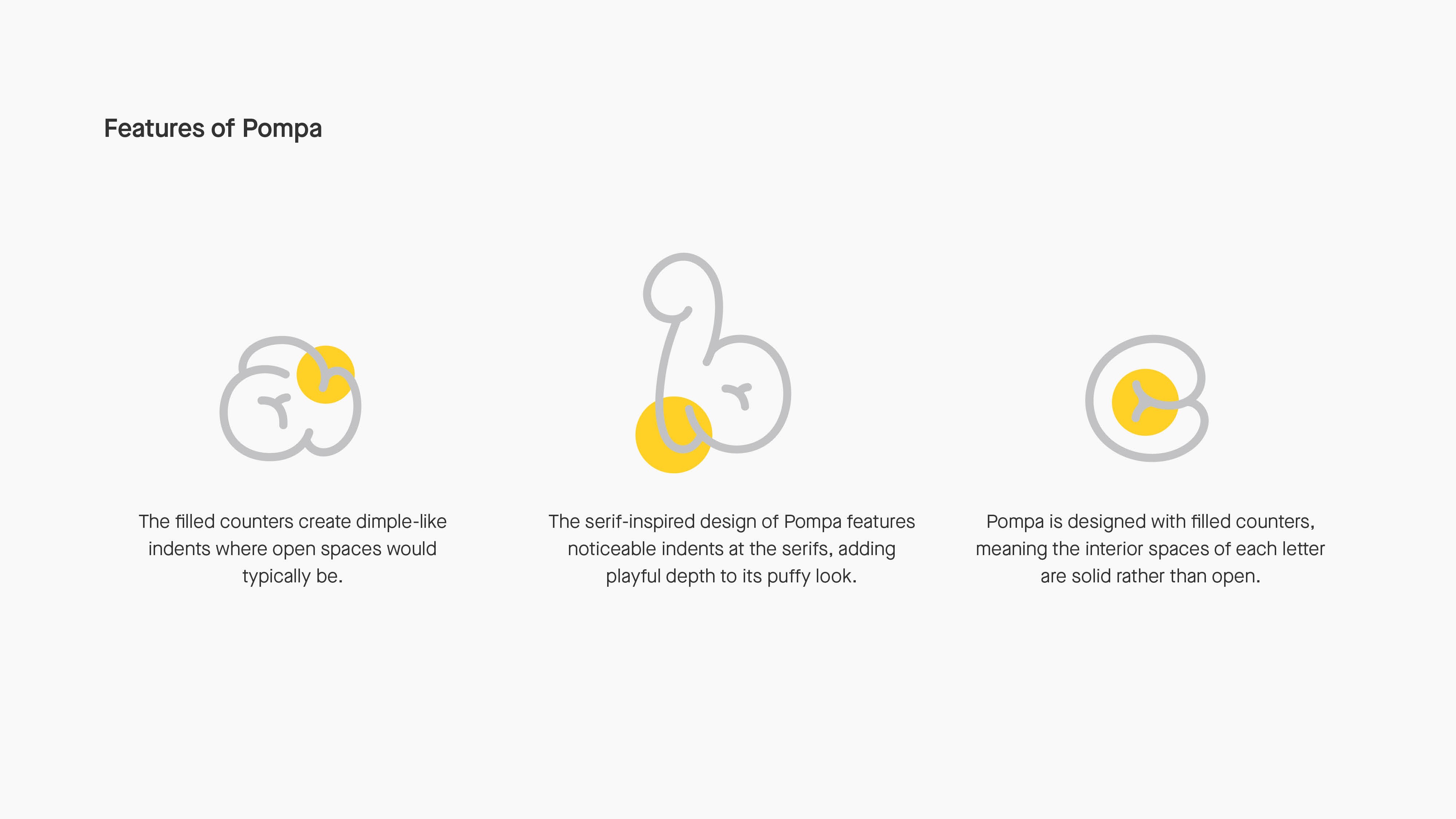
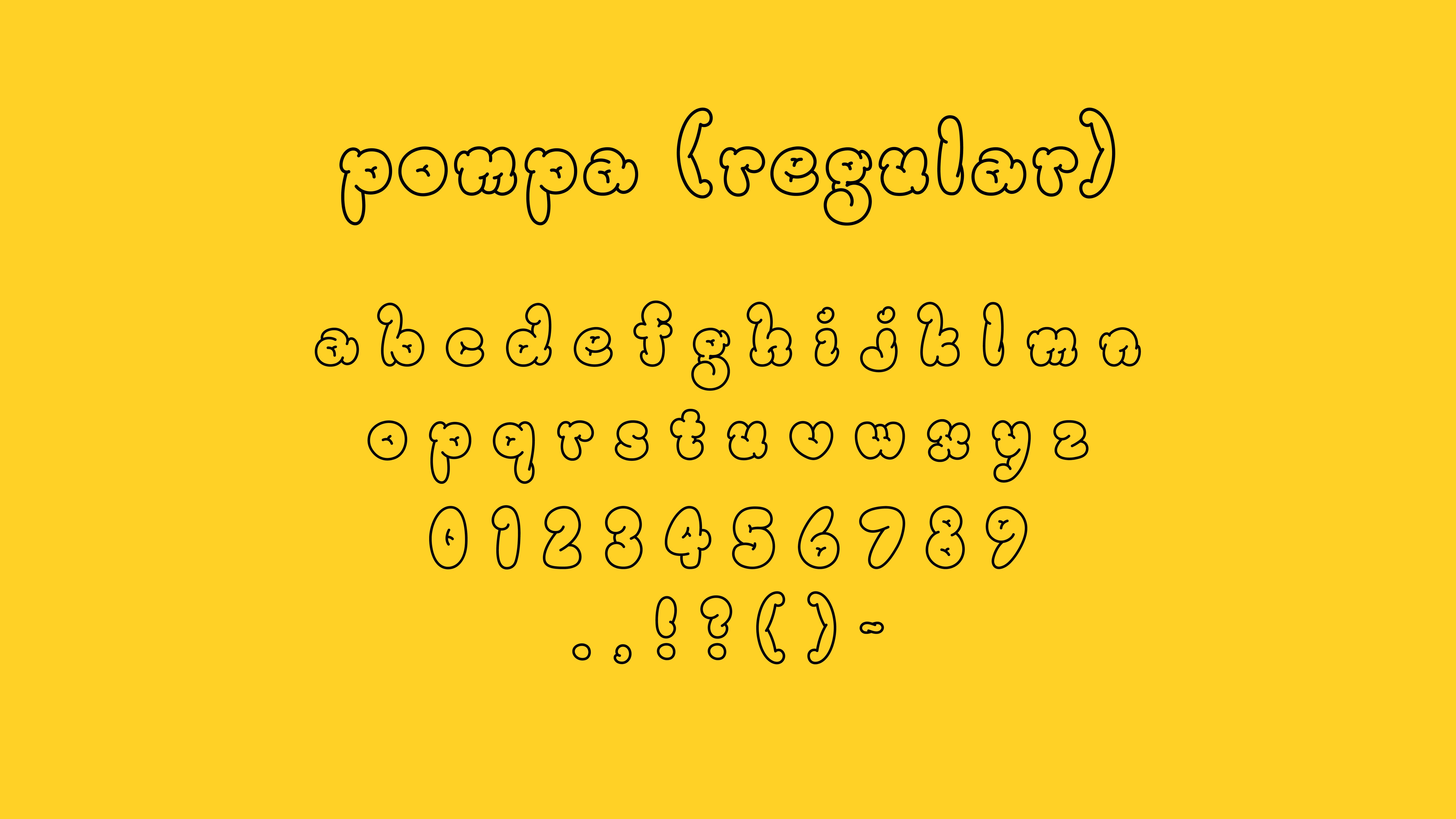
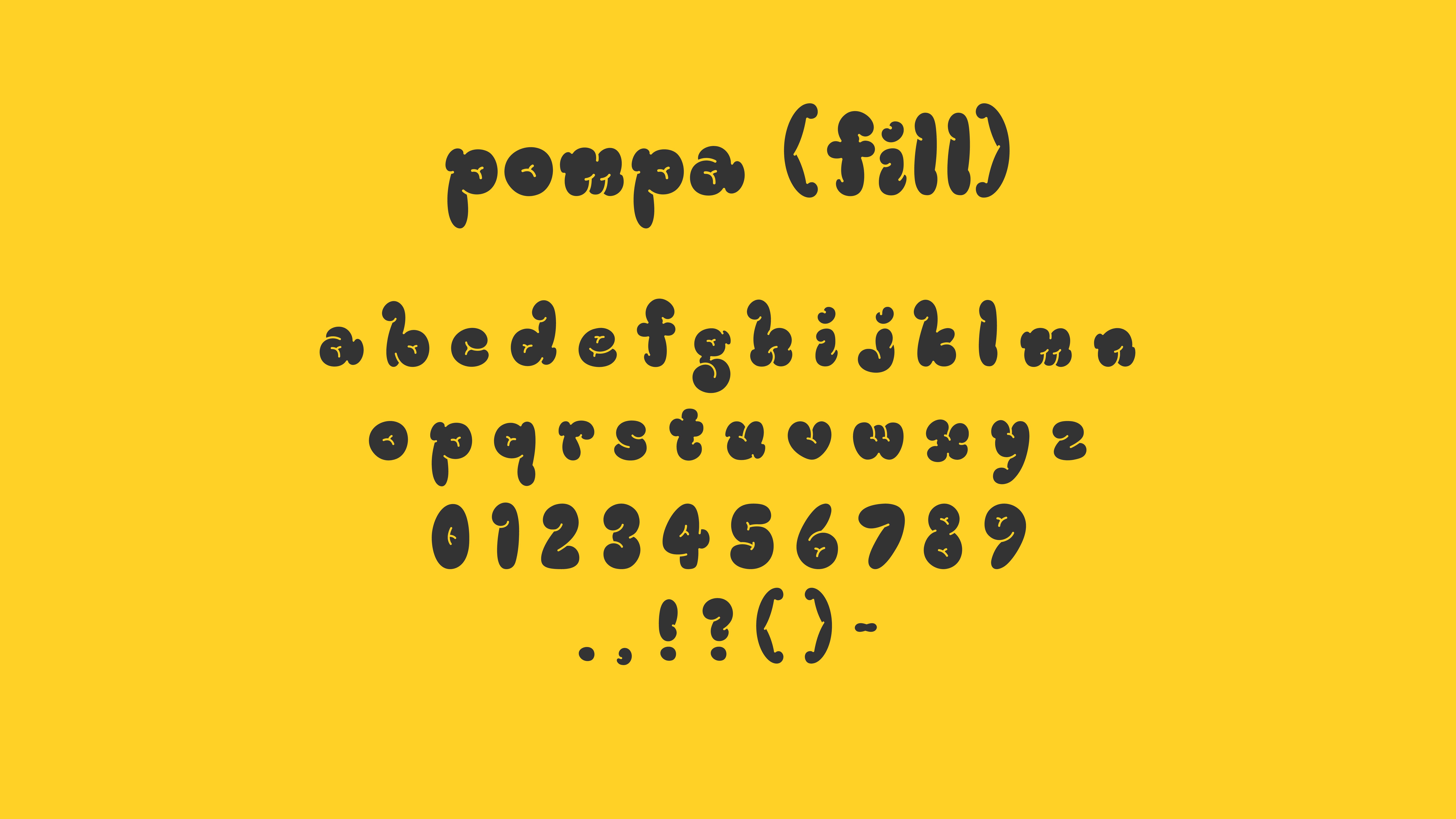
Strategic Form Design: I developed two styles, Regular and Fill, to increase versatility. By utilizing filled counters and dimple-like indents that mimic the look of pinched balloons, I created a unique visual character that retains high impact in bold headlines.
Structured Softness: I adhered to standard typographic principles to ensure each letter remains recognizable despite its exaggerated volume. This approach allows Pompa to function as a playful yet reliable design element, bridging the gap between imaginative form and practical application.
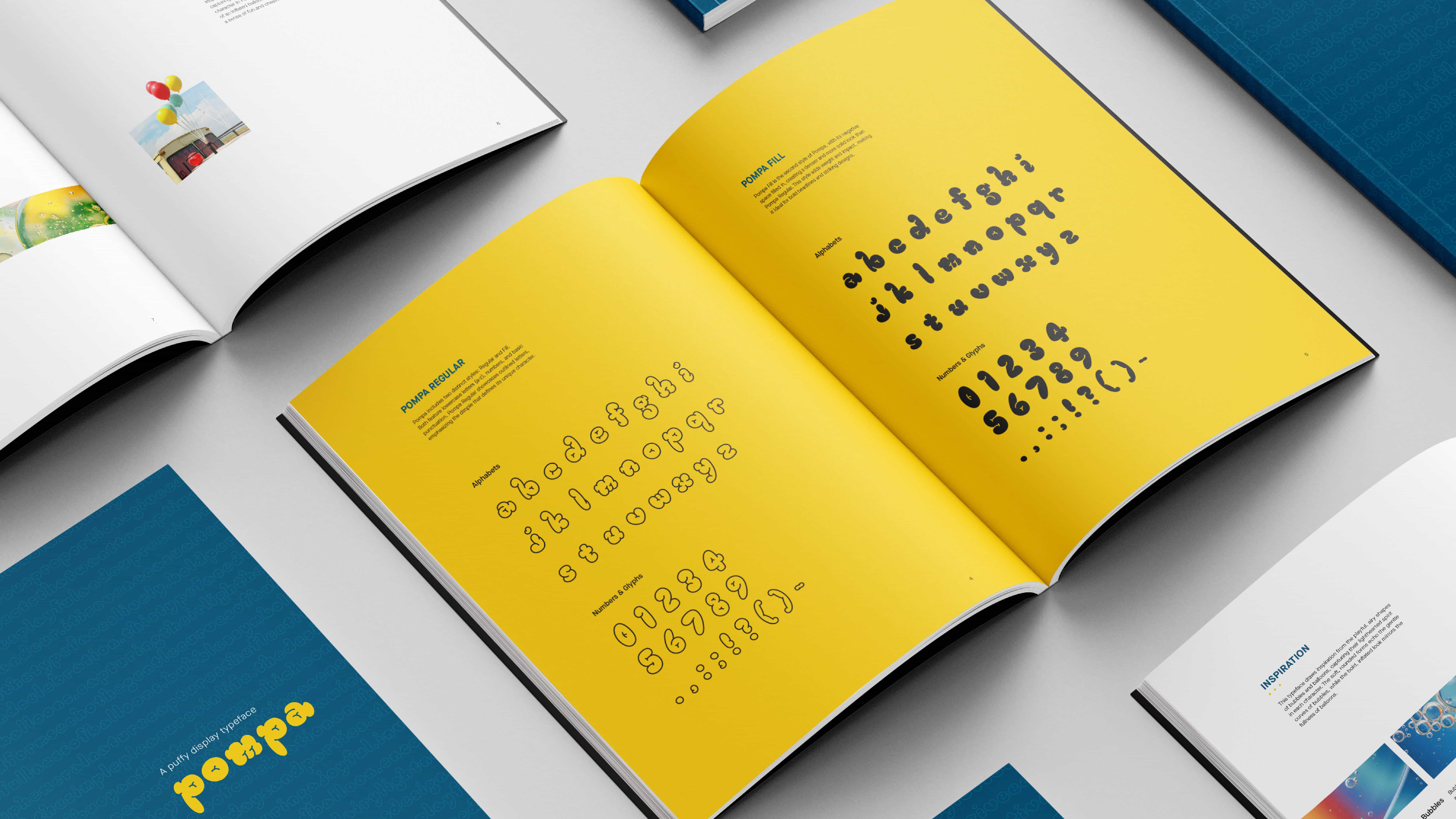
Type Specimen Book: Pompa
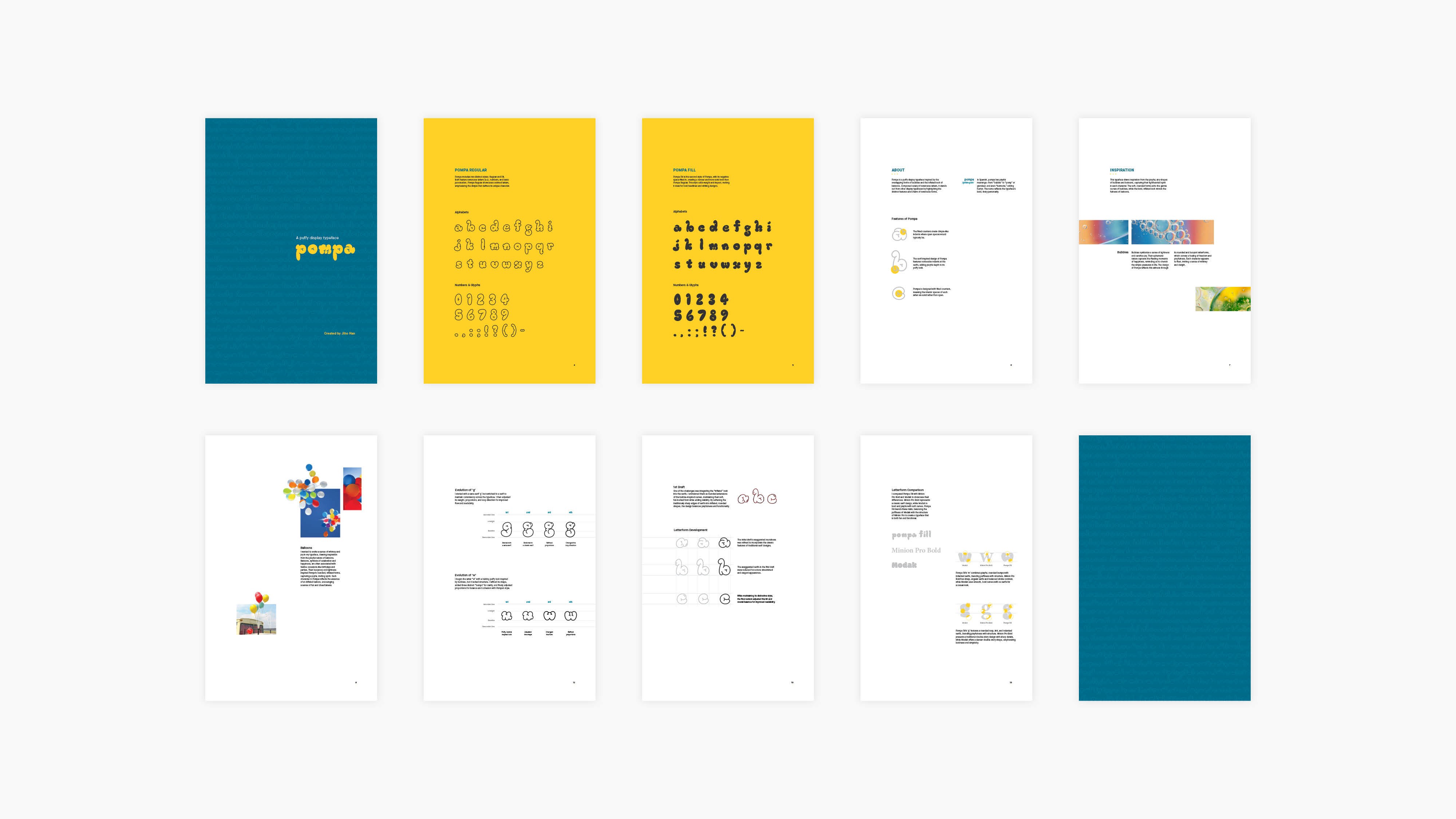
This is a type specimen book designed for the display typeface Pompa. It serves as a comprehensive visual archive, documenting the entire design process from initial inspiration to structural analysis. Through a series of curated compositions, the book explores how Pompa performs across various layouts, scales, and design contexts, demonstrating its versatility as a bold graphic element.
Key Features
Design Genealogy: Documents the full creative journey, including initial observations of bubbles and balloons, early sketches, and the rigorous development of letterforms to capture inflated tension.
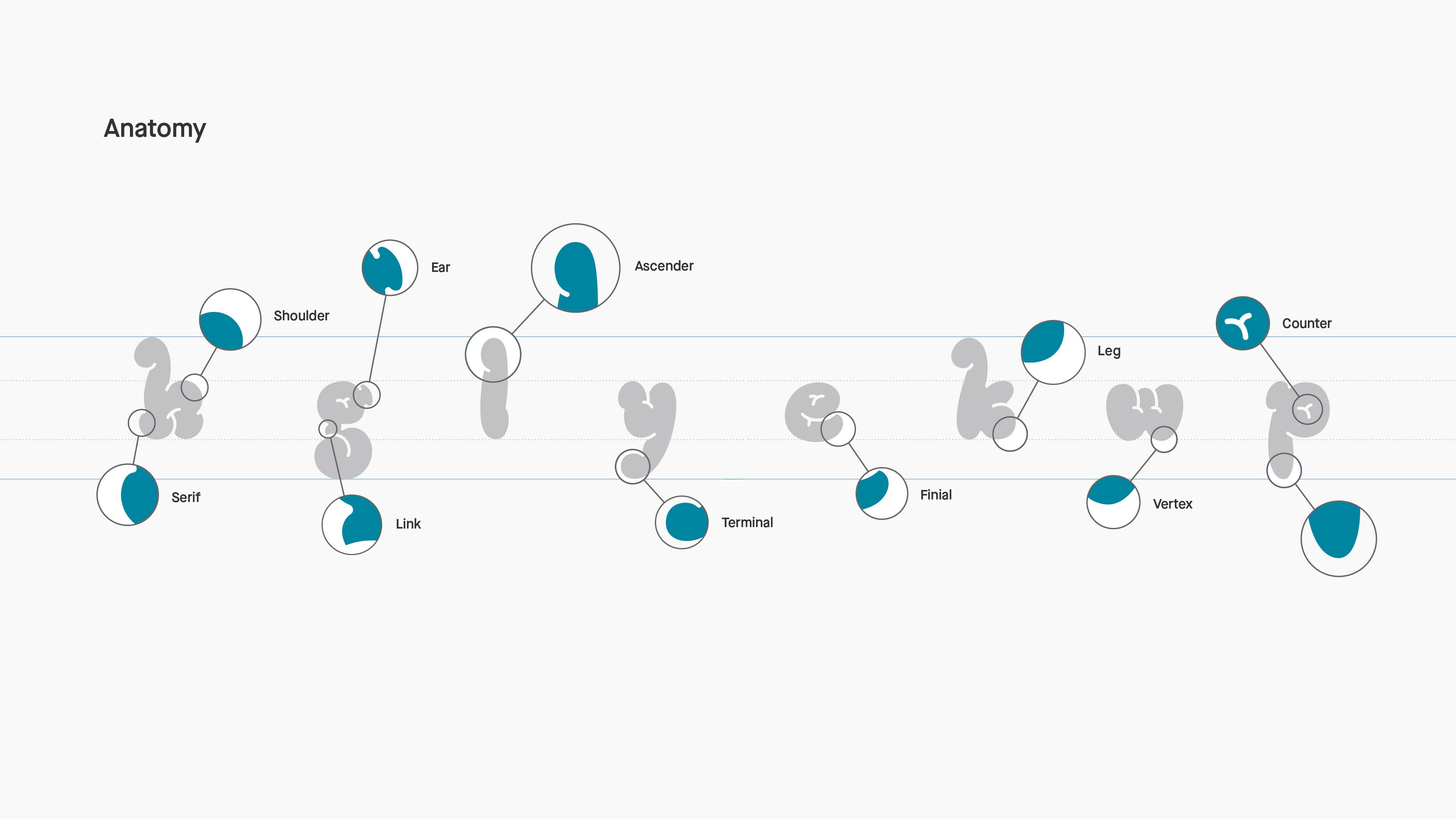
Typographic Anatomy: A detailed breakdown of the typeface’s structural choices. It specifically analyzes the evolution of complex characters like ‘g’ and ‘w,’ highlighting how they were refined to balance unique personality with legibility.
Style & Weight Exploration: A side-by-side comparison of Pompa Regular and Pompa Fill, demonstrating how the "filled counters" and "dimple indents" create varying visual impacts across different hierarchies.
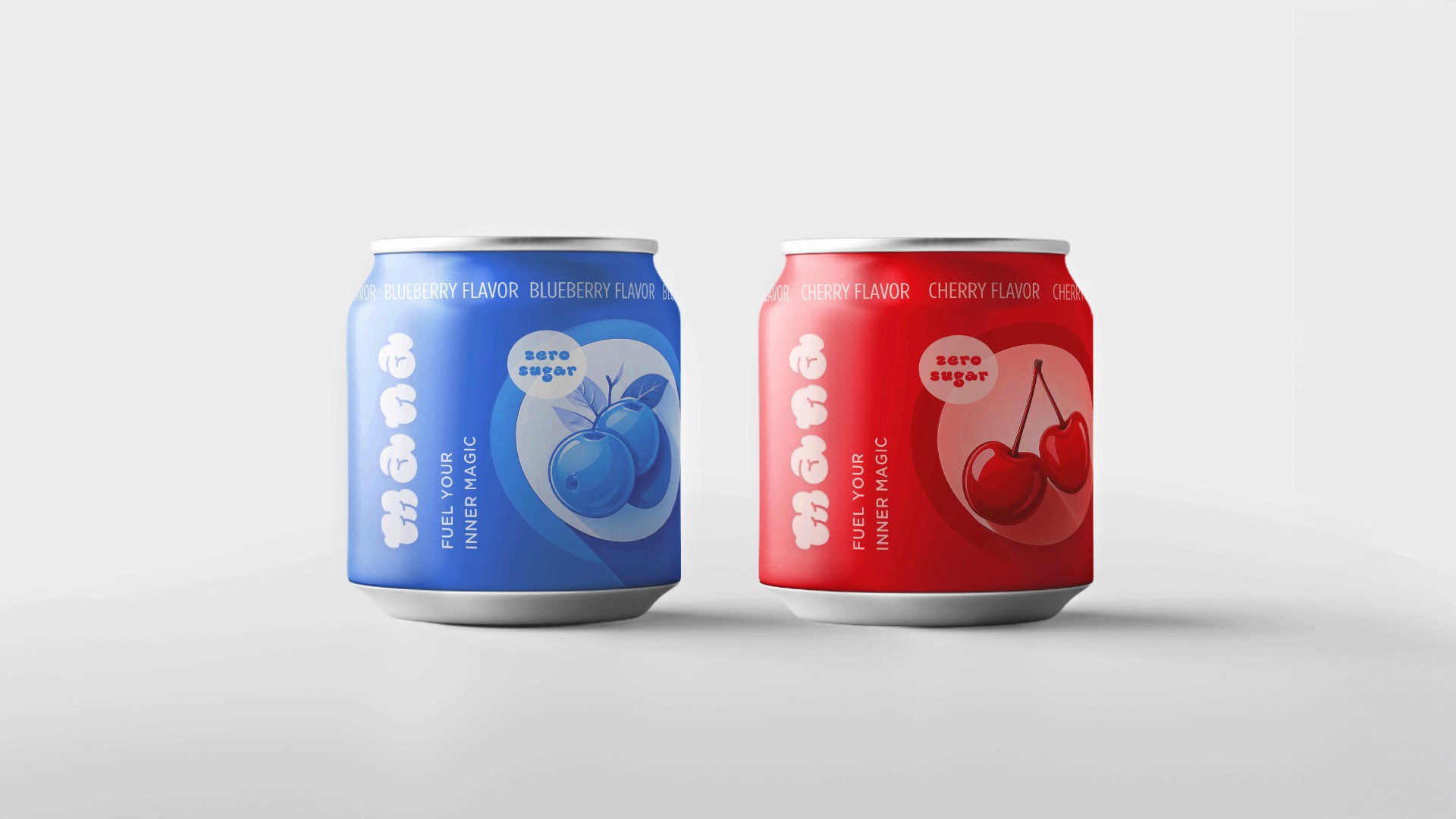
Experimental Applications: Showcases the typeface in action through various typography experiments and conceptual layouts, proving its adaptability in modern, high-impact design contexts.